

Consulting and travel have become closely connected as businesses increasingly work across different cities, countries, and markets. Consultants often need to meet clients, visit project locations, conduct research, attend conferences, deliver training, and collaborate with teams in person. At the same time, companies rely on professional travel to develop relationships, understand new markets, and implement business strategies effectively.
Modern consulting is no longer limited to working from a single office. Consultants may support organizations across multiple locations while balancing virtual communication with face-to-face collaboration. Travel can provide opportunities to understand local business environments, observe operations directly, and develop stronger relationships with clients and stakeholders.
A well-organized travel strategy can therefore become an important part of successful consulting work. However, professional travel also requires careful planning, budgeting, scheduling, risk awareness, and efficient use of technology.
Understanding the Connection Between Consulting and Travel
Consulting involves providing specialized knowledge, analysis, recommendations, or practical support to organizations and individuals. Depending on the consulting field, professionals may work with companies in different industries and locations.
Travel becomes necessary when consultants need to work directly with clients or teams. For example, a management consultant may visit a company’s headquarters to understand operations, while an engineering consultant may travel to a project site to evaluate technical conditions.
Travel can also support market research. A consultant entering a new region may benefit from visiting local businesses, speaking with stakeholders, attending industry events, and observing customer behavior firsthand.
Common Reasons Consultants Travel
- Client meetings
- Project implementation
- Site visits
- Market research
- Training and workshops
- Industry conferences
- Business development
- Team collaboration
- Audits and assessments
- International expansion projects
Why Travel Matters in Consulting
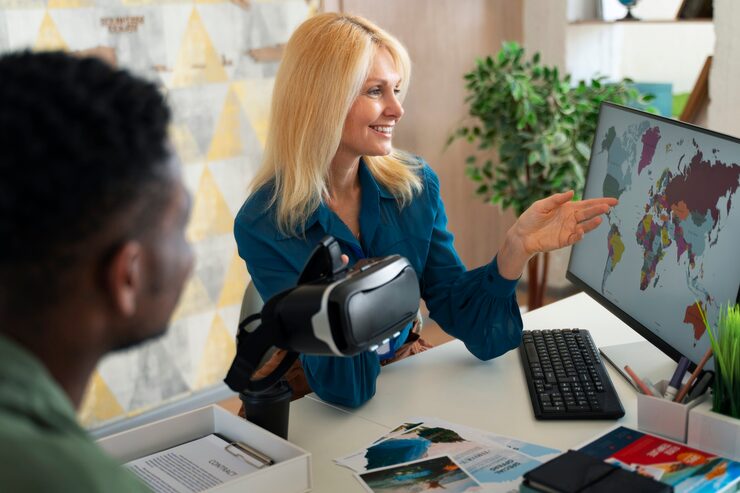
Consulting often depends on communication and understanding. While video calls and digital collaboration tools are useful, certain projects benefit from direct interaction.
Being physically present can allow consultants to observe workplace processes, communicate with employees, and understand organizational culture more effectively. Face-to-face meetings can also make it easier to develop professional relationships and discuss complex issues.
Travel may be particularly important during the early stages of a consulting engagement. Meeting clients in person can help consultants understand their expectations, priorities, challenges, and working environment.
However, travel should serve a clear business purpose. Unnecessary travel can increase costs, reduce productivity, and create additional logistical challenges. Successful consulting teams therefore balance in-person work with remote collaboration.
Types of Consulting That Commonly Require Travel
Different consulting disciplines have different travel requirements. Some consultants may spend most of their time working remotely, while others may travel frequently.
Management consultants can travel to client offices to analyze operations, develop strategies, or support organizational changes. Technology consultants may visit companies to assess systems, implement software, or train employees.
Engineering and construction consultants may need to visit project sites to evaluate progress and technical conditions. Financial consultants can travel for audits, business reviews, due diligence, and client meetings.
Healthcare, environmental, marketing, human resources, and supply chain consultants may also travel depending on the nature of their assignments.
Consulting Fields and Travel Needs
| Consulting Field | Common Travel Purpose |
|---|---|
| Management consulting | Strategy, operations, organizational projects |
| Technology consulting | System implementation and technical assessments |
| Financial consulting | Audits, reviews, and financial projects |
| Engineering consulting | Site inspections and project support |
| Marketing consulting | Market research and client workshops |
| HR consulting | Training and organizational development |
| Environmental consulting | Field assessments and site visits |
| Supply chain consulting | Facility reviews and logistics analysis |
Planning Travel for Consulting Projects

Travel planning should begin with the project requirements. Consultants need to understand where they must be, how long they need to stay, and which activities require physical presence.
A detailed itinerary can help prevent scheduling conflicts. Meetings should be arranged with enough time between them to account for transportation and unexpected delays.
Travel plans should also consider the consultant’s workload. A schedule filled with meetings immediately after a long journey may reduce productivity. Where possible, travel time, rest periods, preparation time, and working hours should be balanced.
Important Planning Factors
- Project location
- Client meeting schedule
- Travel duration
- Transportation availability
- Accommodation
- Budget
- Time-zone differences
- Meeting preparation
- Required equipment
- Local business conditions
- Emergency arrangements
Managing Consulting Travel Costs

Travel can represent a significant portion of a consulting firm’s operating expenses. Flights, accommodation, transportation, meals, and other expenses can quickly increase the cost of a project.
Companies should establish clear travel policies covering approved booking methods, accommodation limits, transportation options, meal expenses, and reimbursement procedures.
Consultants should also distinguish between essential and optional travel expenses. Choosing convenient transportation and accommodation can improve productivity, but unnecessary upgrades or inefficient scheduling can increase costs without adding equivalent business value.
Typical Consulting Travel Expenses
| Expense | Examples |
|---|---|
| Transportation | Flights, trains, taxis, rental vehicles |
| Accommodation | Hotels and extended-stay properties |
| Meals | Business meals and daily expenses |
| Communication | Mobile connectivity and business calls |
| Equipment | Temporary work tools and supplies |
| Events | Conferences and professional events |
Technology and Consulting Travel
Technology has transformed how consultants manage travel and client work. Digital calendars, cloud platforms, video conferencing, project-management applications, and mobile communication tools allow consultants to remain connected while moving between locations.
Travel-management platforms can help companies organize bookings, itineraries, expenses, and travel policies. Digital expense systems can also reduce administrative work by allowing professionals to submit receipts electronically.
Cloud-based document systems are particularly useful for consultants. Important presentations, reports, spreadsheets, and project materials can be accessed from different locations without relying entirely on physical documents.
Balancing Remote Work and Business Travel
The growth of hybrid work has changed how consulting teams approach travel. Many activities that previously required physical meetings can now be completed through video conferencing and collaborative platforms.
This does not necessarily eliminate professional travel. Instead, it can help consultants determine when travel is genuinely useful.
For example, routine progress meetings may be handled online, while project kickoffs, workshops, sensitive negotiations, and complex site assessments may benefit from face-to-face interaction.
A balanced approach can help businesses control travel expenses while maintaining valuable personal connections.
When Virtual Meetings May Work Well
- Routine project updates
- Weekly team meetings
- Simple presentations
- Administrative discussions
- Follow-up conversations
- General information sharing
When In-Person Travel May Be Valuable
- Project launches
- Complex workshops
- Site inspections
- Relationship-building meetings
- Sensitive negotiations
- Hands-on training
- Major strategic discussions
Client Relationships and Professional Travel
Relationships are central to consulting. Clients need to trust consultants with important information, decisions, and projects.
Travel can create opportunities for consultants to build stronger professional relationships. Informal conversations before or after meetings may reveal information that does not always emerge during formal virtual sessions.
Visiting a client’s workplace can also provide context. Consultants can observe how teams interact, how processes operate, and how organizational culture influences decision-making.
However, professional boundaries remain important. Travel should be organized around the client’s needs and project objectives rather than treated simply as an opportunity for social activity.
Travel Risk and Consultant Safety
Consulting firms should also consider the safety and well-being of employees who travel. Risks can vary according to destination, transportation method, project location, and travel schedule.
Organizations can establish travel policies, emergency communication procedures, destination assessments, and appropriate support systems for traveling employees.
Consultants should have access to important contact information and understand what to do if transportation disruptions, medical emergencies, security concerns, or other unexpected events occur.
Cybersecurity should also be included in travel planning. Consultants frequently handle confidential client information and should protect laptops, smartphones, documents, and online accounts while traveling.
International Consulting and Travel

International consulting projects can introduce additional considerations. Consultants may need to understand local business practices, cultural expectations, documentation requirements, time zones, and communication styles.
Language differences can also affect meetings and presentations. Preparing appropriate materials and working with local professionals when necessary can improve communication.
International travel may also require additional planning for visas, insurance, transportation, currency, and local regulations. These requirements should be reviewed well before departure.
Sustainable Consulting Travel
Sustainability has become an important consideration for many businesses. Consulting companies may evaluate whether every trip needs to occur in person and whether lower-impact transportation options are practical.
When travel is necessary, organizations can consider efficient itineraries, shared transportation, rail where appropriate, longer stays instead of repeated short trips, and responsible accommodation choices.
Sustainable travel policies can also help companies manage costs and demonstrate attention to environmental considerations.
Best Practices for Consultants Who Travel Frequently
Frequent travelers benefit from establishing consistent routines. Keeping travel documents organized, maintaining a standard packing checklist, preparing digital copies of important materials, and using reliable booking procedures can save time.
Consultants should also protect their personal energy. Frequent travel can be demanding, particularly when projects involve multiple time zones or consecutive meetings.
Planning recovery time, maintaining healthy routines, and avoiding unnecessarily compressed schedules can support long-term productivity.
Practical Travel Tips
- Prepare itineraries in advance
- Confirm meetings before departure
- Keep important documents accessible
- Allow extra transportation time
- Organize work materials digitally
- Protect company devices
- Maintain expense records
- Review destination requirements
- Keep emergency contacts available
- Schedule adequate rest
- Use travel time productively when practical
- Coordinate travel with project deadlines
Measuring the Value of Consulting Travel
Businesses can evaluate travel by considering its contribution to project outcomes. The goal is not simply to reduce the number of trips but to understand whether travel is creating meaningful business value.
Companies can review client relationships, project progress, implementation outcomes, business development opportunities, and employee productivity when evaluating travel programs.
If a particular type of meeting can consistently be completed remotely without affecting results, virtual communication may be more efficient. If an in-person workshop consistently improves collaboration or project outcomes, travel may provide significant value.
The Future of Consulting and Travel
The future of professional consulting is likely to involve a combination of in-person and digital collaboration. Technology will continue to make remote work easier, while physical travel will remain relevant for situations where direct interaction provides additional value.
Artificial intelligence, digital collaboration tools, automated travel management, and virtual meeting technologies may reduce administrative workloads. At the same time, clients will continue to value consultants who can understand their organizations and work effectively with teams in real-world environments.
Consulting firms that develop flexible travel strategies can adapt their approach according to project requirements rather than following a single model for every client.
Conclusion
Consulting and travel are closely connected because many professional projects require consultants to work directly with clients, teams, facilities, and markets. Travel can support stronger relationships, better project understanding, hands-on assessments, training, and business development.
At the same time, effective travel requires careful planning. Companies need to manage budgets, schedules, employee safety, cybersecurity, documentation, and productivity. Technology can help consultants remain connected and organized while traveling, while hybrid work models can reduce unnecessary trips.
The most effective approach is to match travel with genuine business needs. By combining thoughtful planning, digital collaboration, responsible budgeting, and purposeful face-to-face interaction, consulting organizations can create travel practices that support both client service and long-term business objectives.
Frequently Asked Questions
1. Why is travel important in consulting?
Travel can help consultants meet clients, understand business operations, conduct site visits, deliver training, perform research, and build stronger professional relationships.
2. Do all consultants need to travel frequently?
No. Travel requirements vary by consulting field, client, project, location, and work arrangement. Some consultants work primarily remotely, while others regularly visit client sites.
3. How can consulting firms control travel costs?
Firms can establish travel policies, compare transportation and accommodation options, combine meetings into efficient itineraries, use virtual meetings when appropriate, and monitor travel expenses.
4. How can technology support consultants during travel?
Cloud storage, project-management platforms, video conferencing, digital calendars, travel-management systems, and expense applications can help consultants remain productive and organized while away from the office.
5. What should consultants consider before traveling internationally?
They should review documentation requirements, local regulations, transportation, accommodation, communication needs, cultural expectations, time zones, cybersecurity practices, and appropriate emergency arrangements.


1 Comment
[…] Read more: Consulting and Travel: How Professional Travel Supports Modern Business Growth […]