
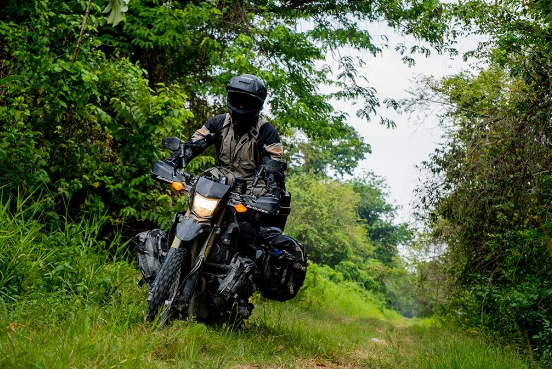
Adventure riding and off-road driving offer experiences that no paved road can replicate — raw terrain, shifting conditions, and a level of engagement with the environment that demands real skill and preparation. Whether the plan involves trail riding on a motorcycle or tackling rugged terrain in a four-wheel-drive vehicle, thorough preparation makes the difference between an exhilarating outing and a dangerous one. Understanding what goes into proper preparation helps riders and drivers approach off-road experiences with the confidence and competence they require.
Developing the Right Skills Before Hitting the Trail
Off-road environments present challenges that require a distinct set of skills beyond what standard road riding or driving involves. Loose surfaces, steep inclines, water crossings, and unpredictable obstacles demand precise throttle control, body positioning, and situational awareness that only develop through deliberate practice. Beginners often overestimate their readiness and head into challenging terrain before their technique is solid enough to handle the conditions safely. Starting on easier trails and progressively tackling more demanding routes allows skills to develop alongside confidence.
Sourcing Quality Gear for Off-Road Motorcycle Riding
The equipment chosen for adventure motorcycle riding has a direct impact on both safety and performance in off-road conditions. Helmets designed for off-road use offer different protection profiles than street helmets, with features such as peaked visors and increased ventilation for trail environments. Body armor, riding boots, and gloves rated for off-road use provide protection against the types of impacts and abrasions that occur in trail riding. Sourcing motorcycle racing gear online gives riders access to a wider selection of purpose-built equipment than most local retailers carry, often at more competitive prices with detailed product information available for comparison.
The Value of 4×4 Off Road Driver Training
Four-wheel-drive vehicles offer significant capability in off-road environments, but that capability is only fully realized when the driver understands how to use the vehicle’s systems effectively. 4×4 off road driver training teaches participants how to read terrain, engage and disengage drive systems at the correct moments, manage descents on steep grades, and handle recovery situations when a vehicle becomes stuck. Professional training dramatically reduces this risk while also improving confidence and enjoyment on the trail. Investing in formal instruction is especially important for those who plan to explore remote or technically demanding terrain.
Planning Routes and Understanding the Terrain
Preparation for any off-road adventure should include thorough research into the route, the expected conditions, and the potential hazards along the way. Trail maps, condition reports from recent riders or drivers, and weather forecasts all contribute to a safer and more enjoyable experience. Understanding the level of difficulty a trail presents relative to personal skill level helps avoid situations that exceed current capability. Remote routes require additional planning around emergency contacts, communication devices, and self-recovery equipment in case help is not readily available. Thorough route planning is not overcaution, it is the mark of an experienced off-road enthusiast who wants to return home safely after every outing.
Conclusion
Adventure riding and off-road experiences reward preparation with some of the most memorable and fulfilling time anyone can spend outdoors. Building the right skills, sourcing proper gear, and planning each outing with care creates the foundation for consistently enjoyable and safe off-road adventures. Respecting the demands of the terrain and preparing accordingly is what makes it possible to keep coming back for more.



2 Comments
[…] Read more: How to Prepare for Adventure Riding and Off-Road Experiences […]
[…] Read more: How to Prepare for Adventure Riding and Off-Road Experiences […]
Your comment is awaiting moderation.
Honestly, I have been looking for a decent platform for a while now and this one actually delivers. Customer support is always helpful and the game selection keeps getting better. Happy to be a regular user. inp77
Your comment is awaiting moderation.
Slot hunting can be exhausting when you keep hitting dead ends but this site keeps my excitement alive. Every bonus round feels rewarding and the animations just put me in a good mood instantly. Definitely my go to spot now. mmn52slot