
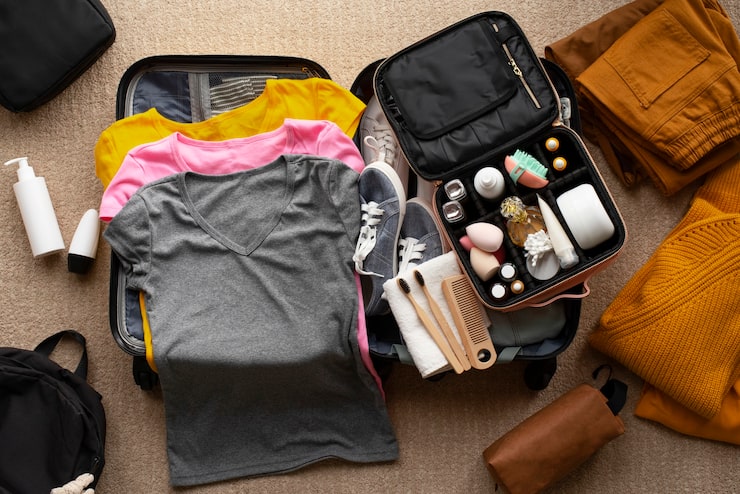
Choosing the right personal bag for flying can make airport travel more convenient, especially when you want to keep important belongings close without relying on a larger suitcase. A personal bag is generally intended to fit underneath the seat in front of you, although exact size and weight requirements depend on the airline and ticket type. The right bag should balance size, comfort, organization, security, and the amount of space you actually need during your journey.
Whether you are taking a short domestic flight, traveling for business, or preparing for a long international journey, understanding how to select and pack a compact travel bag can help make your trip smoother.
What Is a Personal Bag for Air Travel?
A personal bag is a smaller piece of luggage that passengers generally keep with them in the aircraft cabin.
Common examples include:
- Small backpack
- Handbag
- Laptop bag
- Tote bag
- Briefcase
- Compact duffel
- Small shoulder bag
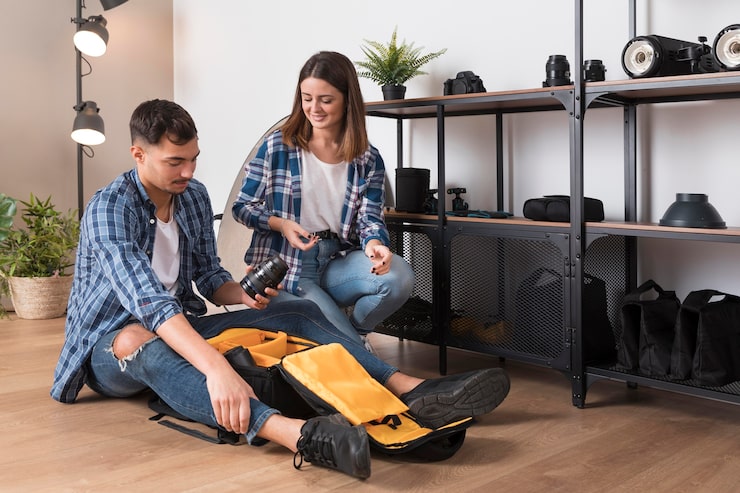
- Camera bag
Unlike a larger carry-on suitcase, a personal bag is generally designed to fit beneath the seat.
However, there is no universal size that applies to every airline. Each carrier can establish its own baggage allowance and dimensional requirements.
Personal Bag vs Carry-On Bag
The terms personal bag and carry-on bag are sometimes used interchangeably, but airlines often treat them as different categories.
A personal bag generally goes under the seat, while a larger carry-on normally goes into the overhead compartment.
| Feature | Personal Bag | Carry-On Bag |
|---|---|---|
| Storage | Under the seat | Overhead compartment |
| Typical size | Smaller | Larger |
| Common style | Backpack or laptop bag | Small suitcase |
| Accessibility | Easy to reach | Less accessible during flight |
| Fare inclusion | Depends on airline | Depends on airline |
| Best use | Essentials | Clothing and larger belongings |
Knowing the distinction is particularly important when flying on an airline with a restrictive basic fare.
How Large Should a Personal Bag Be?
There is no single industry-wide personal-bag measurement.
Airlines publish their own maximum dimensions, and some also establish weight restrictions.
Before purchasing or packing a bag, check the airline’s current requirements for:
- Maximum length
- Maximum width
- Maximum height
- Weight
- Under-seat placement
- Fare-specific baggage allowances
Remember that external features may count toward the total dimensions.
Wheels, handles, pockets, and other attachments can make a bag larger than its main compartment suggests.
Why Airline Rules Matter
A bag that qualifies as a personal item on one airline may exceed the allowance on another.
Ticket type can also make a difference.
For example, an airline may include one small under-seat bag with a basic fare while charging additional fees for an overhead carry-on.
This means travelers should check baggage rules before selecting their luggage rather than assuming that every airline uses the same standards.
Best Types of Personal Bags for Flying
Different travelers have different needs.
Small Backpack
A compact backpack is one of the most versatile choices.
Benefits include:
- Hands-free carrying
- Multiple compartments
- Comfortable shoulder straps
- Laptop storage
- Easy organization
A backpack can be particularly useful for business trips, weekend travel, and students.
Laptop Bag
A laptop bag works well for travelers who mainly need electronics and documents.
A good design may include:
- Padded computer compartment
- Tablet sleeve
- Charger pocket
- Document section
- Secure zipper
- Adjustable shoulder strap
Tote Bag
A tote is convenient for travelers who want quick access to their belongings.
It can hold:
- Books
- Snacks
- Tablet
- Sweater
- Headphones
- Travel documents
However, an unstructured tote can become difficult to organize when heavily packed.
Small Duffel
A compact duffel can provide more room than a traditional laptop bag.
Choose a lightweight model that remains within the airline’s permitted under-seat dimensions.
Crossbody Bag
A small crossbody bag is useful when you want immediate access to your passport, wallet, phone, and other essentials.
It can also be worn comfortably while moving through a busy airport.
What Should You Put in Your Personal Bag?
The most important rule is to prioritize items you may need during the flight or immediately after landing.
Consider packing:
- Passport or identification
- Wallet
- Phone
- Laptop or tablet
- Chargers
- Headphones
- Medication
- Travel documents
- Small snacks
- Empty reusable water bottle
- Tissues
- Hand sanitizer
- Reading material
- Eye mask
- Light sweater
Avoid filling the bag simply because space is available.
Every item should serve a purpose.
Important Items to Keep With You
Some belongings are better kept in the cabin instead of checked luggage.
Identification and Travel Documents
Keep passports, identification cards, visas, boarding information, and other important documents in an easily accessible compartment.
Medication
Essential medication should remain accessible throughout the journey.
Electronics
Expensive electronics such as laptops, cameras, tablets, and phones are generally better kept with you.
Valuables
Cash, jewelry, important cards, and other valuable items should not be casually placed in checked baggage.
How to Pack Efficiently
The best compact travel bag is not necessarily the largest one you can find.
Organization allows you to carry more useful items without creating unnecessary clutter.
Use Packing Pouches
Small pouches can separate:
- Electronics
- Toiletries
- Documents
- Medication
- Cables
This makes individual items easier to locate.
Keep Frequently Used Items Near the Top
Place your passport, phone charger, headphones, and other frequently accessed items where they can be reached quickly.
Put Heavy Items Close to Your Back
If you are using a backpack, placing heavier items close to your back can improve weight distribution.
Leave Some Space
An overstuffed bag can be difficult to fit under an aircraft seat.
It can also become uncomfortable to carry through the airport.
Personal Bag for Business Travel
Business travelers often need to turn their compact bag into a portable office.
Useful items can include:
- Laptop
- Tablet
- Charger
- Power adapter
- Mouse
- Notebook
- Pens
- Business documents
- Headphones
- Phone accessories
Look for a bag with separate compartments rather than one large open space.
Organization can save time at security checkpoints and during meetings.
Personal Bag for Long Flights
Long-haul flights require thoughtful packing.
Useful comfort items may include:
- Neck pillow
- Eye mask
- Earplugs
- Headphones
- Light sweater
- Moisturizer
- Lip balm
- Snacks
- Entertainment device
- Charging cable
Do not pack every possible comfort accessory.
Choose the items you are most likely to use.
Personal Bag for Short Trips
Short trips can often be handled with a compact bag if you pack strategically.
For a one- or two-night trip, consider:
- One or two versatile outfits
- Underwear
- Basic toiletries
- Phone charger
- Identification
- Small electronics
- Essential medication
Wearing bulkier shoes or jackets during travel can free additional space.
Personal Bag for Families
Families may need additional organization.
Depending on airline rules and the child’s age, useful items can include:
- Snacks
- Wipes
- Entertainment
- Extra clothing
- Small toys
- Medication
- Baby supplies
Parents should check whether their airline provides additional allowances for infant-related items.
Do not assume that every carrier has identical family baggage policies.
What About Electronics and Batteries?
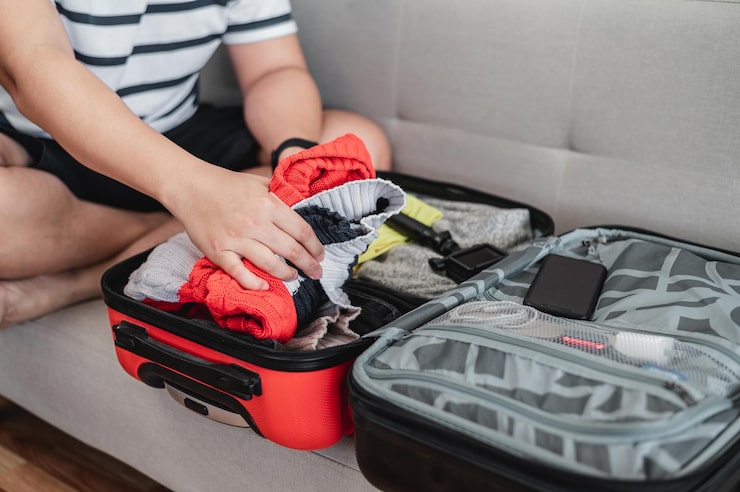
Electronic devices can be useful during a flight, but travelers should understand battery restrictions.
Common items include:
- Smartphones
- Tablets
- Laptops
- Cameras
- Headphones
- Power banks
Spare lithium batteries and power banks have specific air-travel requirements and are generally required to remain in carry-on baggage rather than checked luggage.
Travelers should also check the current rules of their airline and departure airport.
Packing Liquids
Many travelers use their under-seat bag to carry personal-care products.
Examples include:
- Toothpaste
- Lotion
- Shampoo
- Face wash
- Cosmetics
- Hand sanitizer
Airport security rules may restrict liquids brought through security, including container size and total quantities.
Using appropriately sized travel containers can make packing easier.
Always check the current security requirements for the airport where your journey begins.
How to Choose a Comfortable Bag
Size is important, but comfort also matters.
Look for:
Padded Straps
Useful for travelers carrying the bag through large airports.
Strong Zippers
A reliable zipper can protect belongings and reduce the chance of accidental opening.
Durable Material
A durable fabric can withstand repeated travel.
Multiple Compartments
Separate compartments can make documents and electronics easier to access.
Lightweight Construction
A heavy empty bag reduces the amount of useful weight you can carry.
Security Features to Consider
Travelers can also consider security-oriented features.
Useful features may include:
- Lockable zippers
- Hidden pockets
- RFID-blocking sections
- Cut-resistant materials
- Secure laptop compartments
No bag can completely eliminate theft risk, but good organization and sensible precautions can reduce opportunities for loss.
Under-Seat Storage
Personal bags are generally intended for under-seat storage, but the available space can vary.
Factors can include:
- Aircraft design
- Seat configuration
- Seat location
- Emergency-exit seating
- Equipment installed beneath the seat
Because of these differences, choosing a bag with some flexibility can be useful.
Soft-sided bags can sometimes be easier to position than rigid cases.
Budget Airline Considerations
Budget airlines may have stricter baggage policies.
A basic fare might include a small under-seat bag while charging separately for an overhead carry-on.
Before booking, compare:
- Included baggage
- Personal-bag dimensions
- Carry-on fees
- Checked-bag fees
- Weight restrictions
- Fare conditions
This can help you understand the actual cost of your trip.
Common Packing Mistakes
Choosing the Largest Possible Bag
Maximizing dimensions can create problems if the bag does not fit under the seat.
Ignoring the Full Dimensions
Handles, wheels, and pockets can increase the bag’s total size.
Overpacking
An excessively full bag can be difficult to store and uncomfortable to carry.
Forgetting Important Documents
Keep essential documents in a dedicated, easily accessible compartment.
Putting Valuable Electronics in Checked Luggage
Keep important electronics with you whenever practical.
Ignoring Airline-Specific Rules
Never assume that a bag permitted on one airline will automatically be accepted on another.
A Simple Packing Checklist
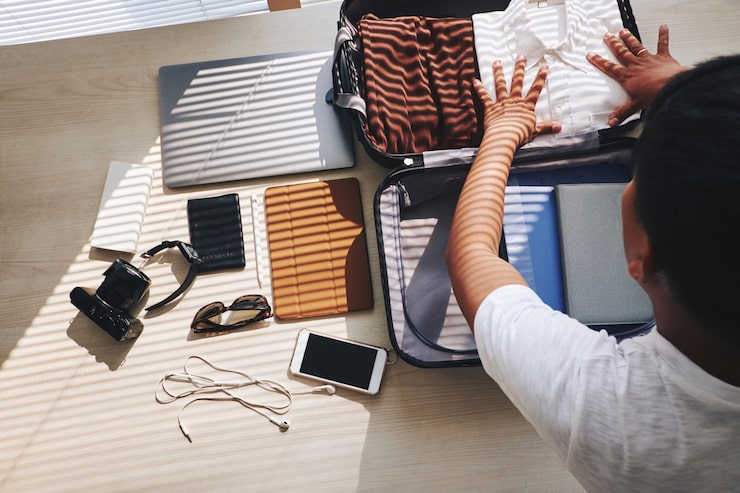
Before leaving for the airport, check that your bag contains:
- Identification
- Passport if required
- Wallet
- Phone
- Chargers
- Essential medication
- Headphones
- Travel documents
- Electronics
- Small snacks
- Necessary toiletries
- Light clothing layer
Then check the bag’s size against your airline’s current allowance.
Key Points to Remember
- A personal bag is generally designed to fit underneath the aircraft seat.
- Airlines establish their own dimensions and baggage policies.
- A small backpack, laptop bag, tote, or compact duffel can be suitable.
- Check your ticket’s baggage allowance before traveling.
- Wheels, handles, and pockets may count toward total dimensions.
- Keep passports, identification, medication, valuables, and important electronics accessible.
- Avoid overpacking.
- Use small pouches to organize cables, toiletries, and documents.
- Check current security requirements for liquids and batteries.
- Budget fares may have more restrictive baggage policies.
- A lightweight and durable design can make airport travel more comfortable.
Final Thoughts
A thoughtfully selected under-seat bag can simplify the entire flying experience. Instead of trying to carry everything you own, focus on the items that are genuinely useful during the journey. Important documents, medication, electronics, chargers, valuables, and a few comfort items should generally receive priority.
Because airlines have different baggage policies, the most important step is checking the current rules for your specific airline and ticket. A bag that works perfectly for one carrier may not meet another carrier’s requirements.
For frequent travelers, a compact, comfortable, durable, and well-organized bag can provide an excellent balance between convenience and packing capacity.
FAQs
1. What can I use as a personal bag on a flight?
Common choices include a small backpack, laptop bag, handbag, tote, briefcase, crossbody bag, or compact duffel, provided the bag meets the airline’s requirements.
2. Does a backpack count as a personal item?
A backpack can count as a personal item when it is small enough to fit underneath the seat and meets the airline’s published dimensions.
3. Can I take a personal bag and a carry-on suitcase?
This depends on the airline and ticket type. Some fares include both, while others may include only an under-seat bag.
4. What should I keep in my personal bag when flying?
Keep important documents, identification, medication, valuables, electronics, chargers, headphones, and other essentials that you may need during the flight.
5. How do I know whether my bag will fit under the airplane seat?
Check the airline’s current personal-item dimensions and compare them with the complete measurements of your bag, including handles, wheels, and external pockets.