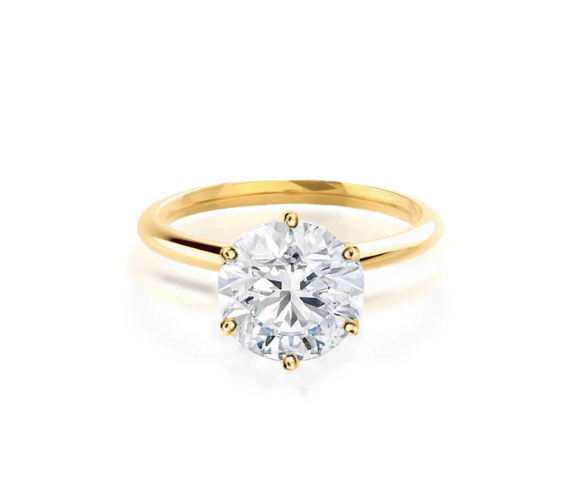

In the world of design, fashion, and architecture, certain forms persist across generations, resisting the ebb and flow of changing trends. The appeal of these timeless forms lies not only in their aesthetic qualities but also in their ability to resonate with fundamental human perceptions of beauty and proportion. Designers like lily arkwright exemplify how integrating classic forms into contemporary contexts can create work that feels both current and enduring. By examining why these forms endure, we can gain insight into the deeper principles that guide creativity and taste.
Timeless forms often emerge from a combination of simplicity, balance, and functionality. These are qualities that remain relevant regardless of shifting cultural preferences. For example, the clean lines of minimalist furniture, the symmetry found in classical architecture, and the enduring shapes of certain garments all demonstrate how a focus on essential design principles creates lasting appeal. When a design strips away unnecessary embellishments and focuses on core structural or aesthetic qualities, it becomes easier for people to connect with it across different eras. The universality of these principles allows forms to transcend fleeting trends and remain visually and functionally compelling.
Another reason timeless forms endure is their connection to human psychology and perception. Certain shapes and proportions naturally draw the eye or evoke a sense of harmony. Circles, arches, and geometric ratios, for instance, are frequently found in art and architecture across cultures and centuries. These forms resonate because they align with intrinsic patterns of human perception, creating a sense of comfort and familiarity. Even as styles evolve, these shapes are repeatedly rediscovered and reinterpreted, proving their enduring relevance. This demonstrates that what makes a form timeless is not only its visual appeal but also its capacity to communicate meaning and evoke emotion consistently.
Cultural significance also plays a crucial role in the longevity of certain designs. Many forms carry historical, symbolic, or social weight that anchors them in collective consciousness. From the classical column to the little black dress, these forms have achieved iconic status through repeated use and cultural reinforcement. Designers like lily arkwright draw on this heritage, blending historical resonance with modern sensibilities to produce creations that feel both innovative and familiar. By referencing timeless elements while adapting them to contemporary needs, designers can bridge the past and present, ensuring their work maintains relevance and appeal over time.
Moreover, timeless forms are often versatile, allowing for adaptation across different contexts and media. A well-crafted chair design, for instance, can fit comfortably in a modern apartment, a traditional home, or even a public space. Similarly, patterns, motifs, and architectural elements can be reinterpreted without losing their essential character. This adaptability ensures that timeless forms can evolve alongside style trends while maintaining their core identity. In contrast, designs that rely heavily on novelty or momentary fashion often struggle to remain relevant once the trend fades.
Ultimately, the endurance of timeless forms demonstrates the power of combining aesthetic clarity, psychological resonance, cultural significance, and adaptability. These forms succeed because they are not entirely dependent on contemporary trends but instead tap into principles and patterns that consistently appeal to human sensibilities. Designers who understand and harness these qualities, like lily arkwright, show that it is possible to create work that is both modern and enduring. As trends continue to evolve, the presence of timeless forms reminds us that certain ideas, shapes, and designs possess a longevity that transcends fashion, providing a foundation upon which future creativity can flourish.
Timeless forms endure because they embody balance, harmony, and universality, offering a bridge between tradition and innovation. They demonstrate that while styles may shift and tastes may change, the principles that underlie true design excellence remain constant, ensuring that these forms continue to inspire and captivate across generations.