
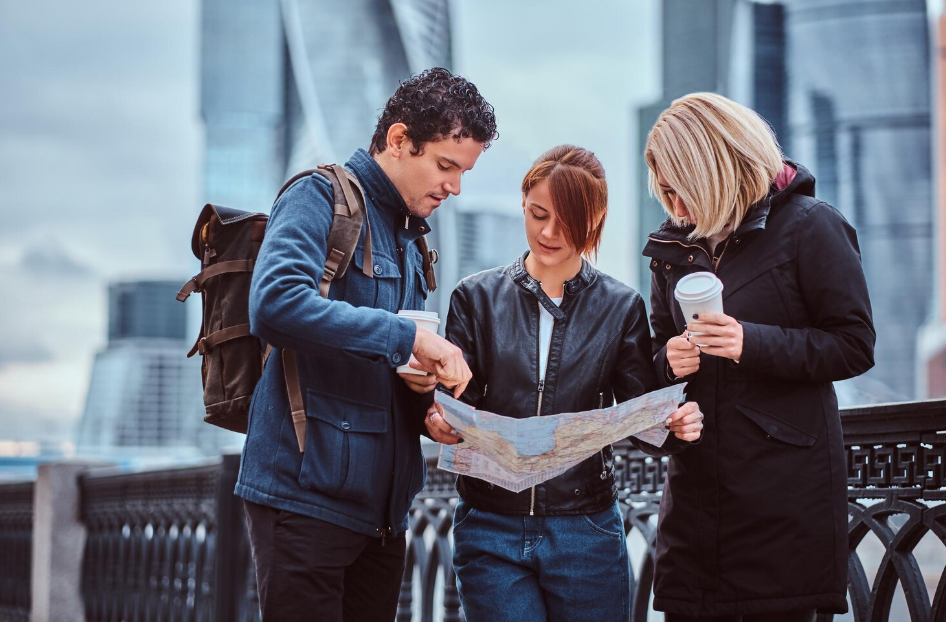
New York is one of the most visited destinations in the United States, offering an impressive combination of famous landmarks, diverse neighborhoods, cultural attractions, entertainment, shopping, restaurants, parks, and transportation options. Whether someone is visiting for a short city break, a family vacation, a business trip, or an extended holiday, understanding basic travel information can make the experience easier and more enjoyable. Searching for travel guidelines ny can help travelers organize important details before departure and prepare for different aspects of a trip to New York.
Good travel planning begins before arriving in the city. Travelers should consider transportation, accommodation, weather, identification documents, local customs, sightseeing schedules, budgeting, and personal safety. New York is a large and busy destination, so having a general plan can save time while still leaving room for spontaneous discoveries.
Understanding New York as a Travel Destination
New York State and New York City offer very different travel experiences. New York City is known for destinations such as Manhattan, Brooklyn, Queens, the Bronx, and Staten Island, while the wider state includes mountains, lakes, historic communities, vineyards, waterfalls, and outdoor recreation areas.
Travelers should identify which part of New York they plan to visit before creating an itinerary. A trip focused on Manhattan will require different transportation and accommodation planning than a road trip through upstate New York.
The length of the trip also matters. A weekend visit may focus on major attractions, while a longer vacation allows travelers to explore neighborhoods and destinations outside the most popular tourist areas.
Choosing the Best Time to Visit
New York experiences four distinct seasons, and each offers a different travel experience.
Spring can bring comfortable sightseeing conditions, blooming parks, and changing weather. Summer is popular for outdoor activities, festivals, and longer daylight hours, although some days can be hot and humid.
Autumn is known for cooler temperatures and seasonal scenery, while winter can bring cold conditions and occasional snow. Travelers visiting during colder months should prepare appropriate clothing and check weather forecasts before leaving.
The best time to visit depends on personal interests, budget, preferred activities, and tolerance for different weather conditions.
Planning Your Transportation
Transportation is an important part of any New York trip. New York City has extensive public transportation, including subway and bus services, while taxis and rideshare services provide additional options.
Visitors should understand their transportation choices before arriving. Public transportation can be useful for reaching different neighborhoods without dealing with parking, while walking is practical in many areas.
Travelers exploring locations outside New York City may find rental cars more useful, especially when visiting rural areas or destinations that are not easily connected by public transportation.
Getting Around New York City
New York City is highly walkable in many areas, but distances can still be significant. Comfortable shoes are therefore an important part of a traveler’s packing list.
The subway can make it easier to travel between neighborhoods, especially when attractions are far apart. Visitors should familiarize themselves with routes and directions before beginning a busy sightseeing day.
Walking can also reveal details that travelers might miss when moving quickly between attractions. Local architecture, small businesses, public art, parks, and neighborhood restaurants can all become part of the experience.
Booking Accommodation
Where travelers stay can strongly influence their trip. New York offers hotels, hostels, vacation accommodations, and other lodging options across many neighborhoods.
Location should be considered alongside price. A slightly more expensive accommodation in a convenient area may reduce transportation time and costs.
Travelers should review cancellation policies, room details, taxes or additional charges, check-in procedures, and transportation access before confirming a reservation.
Families may prioritize room size and nearby restaurants, while business travelers may focus on transportation and proximity to meetings.
Preparing Important Documents
Travelers should make sure they have the identification and travel documents required for their specific journey.
Domestic travelers should carry appropriate identification, while international visitors should verify passport, visa, entry, and immigration requirements applicable to their nationality and circumstances.
Important documents should be stored securely, and travelers may benefit from keeping digital copies of essential information. Entry requirements can change, so international travelers should verify current requirements through official government sources before departure.
Creating a Sightseeing Plan
New York contains far more attractions than most visitors can experience in a short trip. Trying to visit everything can result in an exhausting schedule.
Instead, travelers should identify a few priority attractions and organize nearby activities together. This reduces unnecessary travel time and creates a more manageable itinerary.
For example, visitors can group attractions within the same neighborhood on a single day. They can then leave additional time for restaurants, shopping, parks, or unexpected discoveries.
Reservations may be useful for popular attractions, restaurants, performances, and special experiences.
Exploring Beyond Major Attractions
New York’s famous landmarks are popular for good reason, but the city offers much more than its most recognizable attractions.
Neighborhood exploration can introduce visitors to local restaurants, independent stores, galleries, markets, parks, and cultural institutions. Brooklyn, Queens, the Bronx, and Staten Island each offer experiences that differ from central Manhattan.
Travelers should research neighborhoods before visiting and respect local communities. Exploring beyond traditional tourist areas can create a more varied understanding of the city.
Food and Dining Considerations
New York is famous for its diverse food culture. Visitors can find everything from inexpensive casual meals to fine dining and international cuisines.
Travelers with dietary restrictions should communicate their needs clearly when ordering food. Those with serious allergies should take appropriate precautions and confirm ingredients when necessary.
Busy restaurants may require reservations, particularly during evenings and weekends. Travelers can also explore local markets, bakeries, food halls, and neighborhood establishments for different dining experiences.
Managing Your Travel Budget
New York can accommodate different budgets, but expenses can increase quickly when transportation, accommodation, attractions, meals, shopping, and entertainment are combined.
Before traveling, create a realistic daily budget. Separate essential expenses from optional spending so that unexpected costs do not disrupt the trip.
Travelers can save money by using public transportation, exploring free attractions, eating at a mixture of inexpensive and higher-priced establishments, and planning paid attractions carefully.
Weather and Packing
Weather can change quickly, particularly during transitional seasons. Travelers should check a reliable forecast shortly before departure and pack accordingly.
Comfortable walking shoes are useful throughout the year. Depending on the season, visitors may also need layers, rain protection, warm coats, hats, gloves, or sun protection.
Packing light can make transportation easier, particularly for travelers using public transportation or changing accommodations during a longer trip.
Personal Safety and Awareness
New York welcomes millions of visitors, but travelers should use ordinary urban safety practices.
Keep valuables secure, remain aware of surroundings, and be particularly attentive in crowded transportation areas and tourist locations. Travelers should avoid displaying large amounts of cash or leaving personal belongings unattended.
It is also useful to know the location of your accommodation and have essential contact information accessible. If an emergency occurs, visitors should use appropriate emergency services.
Using Technology While Traveling
A smartphone can be extremely useful during a New York trip. Maps, transportation information, reservation details, translation tools, weather updates, and digital tickets can all make travel easier.
Travelers should keep their devices charged and consider carrying a portable battery during long sightseeing days.
Downloading important information in advance can also be helpful if mobile connectivity becomes unreliable. Travelers should avoid depending entirely on a phone for essential information and keep important reservations or addresses accessible through another method.
Responsible Travel
Responsible tourism helps protect destinations and supports local communities. Visitors should follow posted rules, dispose of waste properly, respect public spaces, and avoid disturbing wildlife or natural areas.
Travelers can also support local businesses by dining at independent restaurants, shopping at local stores, and participating in community-based experiences.
Respecting local residents is equally important. Visitors should remember that many neighborhoods are people’s homes rather than tourist attractions.
Traveling With Children
Families visiting New York should plan around children’s energy levels and interests. Long sightseeing days can become tiring, especially when walking and using public transportation.
Parents can alternate major attractions with parks, casual meals, and rest periods. Child-friendly attractions should be balanced with activities that adults also enjoy.
Before visiting attractions, families should check age requirements, accessibility, stroller policies, and reservation procedures where applicable.
Business Travel Considerations
New York is also a major business destination. Business travelers should allow additional time for transportation because traffic and crowded transit can affect schedules.
Keeping meeting locations, hotel information, transportation options, and contact details organized can reduce stress.
If several meetings are scheduled across different parts of the city, travelers should avoid creating an itinerary that leaves unrealistically short gaps between appointments.
Common Travel Planning Mistakes
One common mistake is trying to visit too many attractions in a single day. New York’s size and crowds can make ambitious schedules difficult to maintain.
Another mistake is focusing only on attraction prices while ignoring transportation, taxes, meals, and other expenses.
Travelers should also avoid assuming that every neighborhood or attraction has the same atmosphere throughout the day. Researching opening hours and local conditions can make an itinerary more practical.
Finally, travelers should leave some flexibility. A good trip does not have to follow the schedule perfectly.
Final Thoughts
Following practical travel guidelines ny can make a New York trip more organized, comfortable, and enjoyable. Travelers should consider the season, transportation, accommodation, documents, sightseeing priorities, budget, weather, dining, and personal safety before departure. At the same time, it is important to leave room for unexpected discoveries. Whether visiting New York City for a few days or exploring the wider state, thoughtful preparation can help travelers spend less time dealing with avoidable problems and more time experiencing the destination.
FAQs
1. What should I plan before traveling to New York?
Plan your accommodation, transportation, travel documents, budget, major attractions, weather-appropriate clothing, and any reservations that are important to your itinerary.
2. Is public transportation useful in New York?
Yes. Public transportation can be especially useful for getting around New York City and reaching many popular neighborhoods and attractions.
3. What should I pack for a New York trip?
Packing depends on the season, but comfortable walking shoes and weather-appropriate clothing are important. Travelers should check the forecast before departure.
4. How can I save money while visiting New York?
Travelers can consider public transportation, free attractions, affordable local restaurants, advance planning, and limiting unnecessary paid activities.
5. Are travel requirements different for international visitors?
Yes. International visitors may have different passport, visa, immigration, and entry requirements depending on their nationality and circumstances. Requirements should be checked with official government sources before travel.