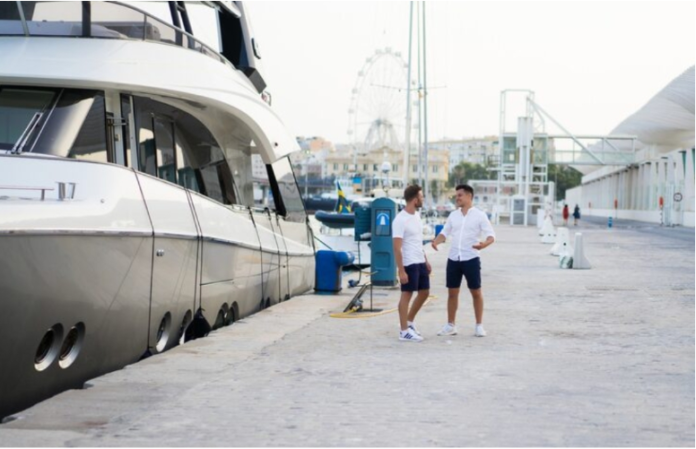

Choosing a boat experience along a harbor can be memorable and surprisingly amazing. The calm surface of the water hides dozens of details that shape the quality of the trip. People who prepare thoughtfully tend to enjoy smoother sailing, better views, and fewer interruptions.
The following considerations focus on real-world decisions that matter a lot. Each point is designed to help readers make confident choices without overcomplicating the experience. Read on!
Understanding the Purpose of the Tour
Most harbor boat tours serve a distinct purpose. Some trips emphasize sightseeing, while others highlight history or marine life. Some of them also focus on relaxation, photography, or sunset ambiance. Understanding the primary goal helps align expectations with reality.
When the purpose matches personal interest, the experience feels intentional. A traveler interested in skyline views benefits more from a slow-paced route with open decks and extended narration. The purpose also affects crowd size, and onboard atmosphere.
The time allocated for each activity on the water shows the operator’s intent. Tours centered on education spend more time near landmarks, while leisure-focused options emphasize smooth cruising.
Evaluating Timing
Timing plays an important role in shaping comfort and visibility on the water. Morning departures provide calmer conditions, clearer air, and less congestion. Afternoon trips may offer warmer temperatures and livelier surroundings.
Evening schedules typically deliver dramatic lighting and cooler breezes, which appeal to many travelers. Weather conditions affect not only comfort but also safety and visibility. Wind patterns can change the feel of the ride, even in protected harbor areas.
Good sunlight influences glare on the water. Seasonal factors also requires attention. Peak tourist months bring fuller boats and higher energy, while off-season periods offer quieter surroundings and more personal space.
Assessing Boat Design
The physical design of the boats determine every moment onboard. Open-deck boats offer unobstructed views and fresh air but provide limited protection from wind or sun. Enclosed vessels create a more controlled environment, with seating, restrooms, and climate regulation.
Some boats blend both designs, allowing passengers to move freely. Comfort extends beyond seating. Stability matters, especially for those sensitive to motion. Wider boats with lower centers of gravity tend to move more smoothly.
Noise levels also vary by boat type. Engine placement, passenger capacity, and sound systems affect the overall atmosphere. A quieter ride enhances conversation and observation, while louder settings suit social groups.
Considering Group Size
The number of passengers onboard changes the character of the experience. Smaller groups allow for more interaction with crew members and easier access to viewing areas. Larger groups create a lively environment but may limit movement and personal space.
Crowd dynamics influence pacing and attention. On busy boats, stops may feel rushed as schedules remain tight. On less crowded trips, operators adjust timing to enhance the experience. The ability to move freely, take photographs, or listen clearly depends on how many people share the space.
Group composition matters as well. Some trips attract families, while others draw couples or solo travelers.
Reviewing Safety Standards
Safety forms the foundation of any fulfilling outing on the water. Licensed operators follow strict guidelines, but standards vary by company. Visible safety equipment, clear instructions, and professional conduct indicate a well-managed operation.
Experienced crews communicate clearly and respond calmly to changing conditions. Their familiarity with local waterways allows them to navigate efficiently and avoid disruptions. Professional reassures passengers throughout the trip.