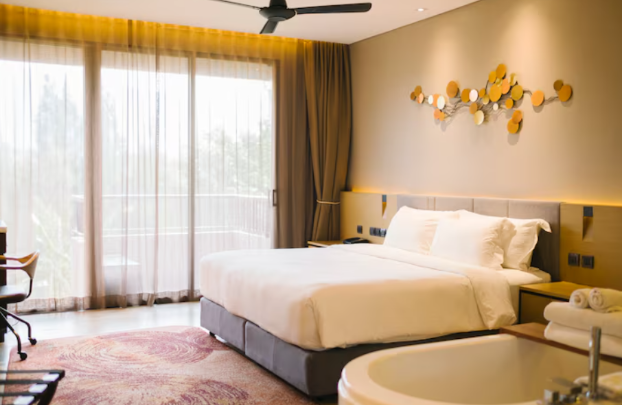
Traveling opens the door to exploring new cultures, cuisines, and experiences, but one of the most crucial aspects of any trip is deciding where to stay. The accommodation you choose can shape your entire journey, influencing comfort, convenience, and even the memories you take home. From luxury resorts to cozy hostels, each type of lodging offers unique advantages suited to different travelers. Understanding the options available can help you make informed choices that fit your style, budget, and travel goals. Luxury Lodging: A Haven of Comfort and Elegance Luxury lodging provides travelers with a premium experience that blends comfort, style, and top-notch services. From five-star resorts in bustling city centers to private villas overlooking pristine beaches, these accommodations focus on delivering indulgence. Guests can expect plush rooms, attentive staff, fine dining, and amenities such as spas, private pools, and concierge services. Choosing luxury lodging is ideal for travelers seeking a stress-free, immersive experience where every detail is meticulously designed to ensure relaxation and convenience. Even for short stays, the quality and ambiance of luxury lodging can transform a trip into a memorable getaway. Hotel with Bar: Socializing and Convenience in One Place For many travelers, a hotel with a bar becomes more than just a place to sleep—it’s a hub for social interaction and relaxation. A hotel bar offers the convenience of enjoying a cocktail or light meal without leaving the property, which is especially appealing after a long day of sightseeing or business meetings. Beyond beverages, hotel bars often host live music, happy hours, or themed nights, making them a dynamic space to meet locals and fellow travelers. Staying at a hotel with a bar is perfect for those who enjoy convenience, nightlife, and a lively atmosphere, all within the comfort of their accommodation. Boutique Hotels: Personalized Experiences in Unique Settings Boutique hotels offer travelers an intimate, stylish alternative to traditional chain hotels. These lodgings are often smaller, with uniquely designed rooms and personalized services. Boutique hotels cater to those who value character, creativity, and individuality in their stay. Guests may find themed decor, local art, or custom amenities that reflect the culture of the destination. This type of lodging is ideal for travelers seeking authenticity and charm, creating an experience that feels more personal and memorable compared to standardized hotels. Vacation Rentals: Flexibility and Home-Like Comfort Vacation rentals, including apartments, condos, and homes, have surged in popularity due to their flexibility and homelike feel. These accommodations are perfect for families, groups, or travelers planning extended stays. Vacation rentals provide amenities like kitchens, laundry facilities, and private living spaces, allowing guests to maintain routines and enjoy self-catering. They also offer the opportunity to live like a local, often situated in residential neighborhoods rather than tourist-heavy areas. Vacation rentals suit travelers who prioritize privacy, space, and the freedom to tailor their stay to personal preferences. Hostels: Budget-Friendly and Community-Oriented For travelers looking to save money and connect with like-minded adventurers, hostels are a top choice. Hostels provide shared accommodations, often with dormitory-style rooms, as well as communal kitchens, lounges, and activity boards for social events. They are perfect for backpackers, students, or anyone seeking an affordable, sociable environment. Despite their lower cost, many modern hostels maintain high standards of cleanliness and security, making them a viable option for those who prioritize budget without compromising basic comfort. Bed and Breakfasts: Cozy and Personalized Stays Bed and breakfasts (B&Bs) offer travelers a warm, home-like atmosphere combined with personalized attention. Typically run by local hosts, B&Bs include a private room and a homemade breakfast, often featuring local specialties. These stays provide a cozy environment and an opportunity to engage with hosts who can offer insider tips about the area. Bed and breakfasts are perfect for travelers who enjoy a more intimate experience and the charm of a homestay over a conventional hotel setting. Conclusion Selecting the right type of accommodation can significantly enhance your travel experience. From the indulgent comfort of luxury lodging and the social energy of a hotel with a bar, to the personalized charm of boutique hotels, the practical benefits of vacation rentals, and the budget-friendly community of hostels, there is a perfect option for every traveler. Understanding these different stay options allows you to align your accommodation with your travel goals, ensuring your trip is both comfortable and memorable. By choosing wisely, your lodging can become not just a place to rest, but an integral part of your journey.

Where to Stay on Your Next Trip: Exploring All Your Options
Planning a trip is always exciting, but one of the most important decisions you will make is choosing where to stay. The right accommodation can shape your experience, set the mood for your vacation, and even influence your budget. With a wide variety of lodging options available today, travelers can find something that fits their style, preferences, and needs. From cozy and charming bed and breakfasts to luxurious hotels by Disney, there are accommodations designed to enhance every type of trip. Understanding your choices can make your travel planning much smoother and more enjoyable. Bed and Breakfast: A Cozy Retreat A bed and breakfast offers a unique, home-like experience that often reflects the character of the local area. Staying in a bed and breakfast provides not only comfortable rooms but also a warm, personal touch from the hosts who typically live on-site. Guests can enjoy homemade breakfasts and have the opportunity to connect with the people who know the region best. Bed and breakfasts are ideal for travelers who want an intimate, relaxing environment and prefer a quieter, more personalized stay compared to traditional hotels. They are often located in charming neighborhoods, historic homes, or picturesque countryside, giving visitors a taste of local culture and hospitality. Hotel by Disney: Magical Convenience For families or Disney enthusiasts, a hotel by Disney offers more than just a place to sleep; it provides convenience, entertainment, and the magic of the parks right at your doorstep. These hotels often include themed rooms, early access to attractions, and complimentary transportation to and from the parks. A hotel by Disney can turn a simple vacation into an immersive experience, allowing guests to extend the enchantment beyond the theme parks themselves. The accommodations are designed to cater to families, with amenities such as pools, kid-friendly dining, and organized activities that keep the magic alive throughout your stay. Vacation Rentals: Flexibility and Comfort Vacation rentals, such as apartments, homes, or condos, have become increasingly popular for travelers seeking privacy and flexibility. These rentals provide fully equipped kitchens, multiple bedrooms, and living spaces that are perfect for families or groups of friends. Vacation rentals allow travelers to experience a destination as locals do, often in residential neighborhoods away from tourist-heavy areas. They are especially beneficial for longer stays, offering the comfort of home while traveling and the ability to prepare meals, do laundry, and enjoy extra space that traditional hotels may not provide. Hostels: Budget-Friendly and Social For travelers on a tighter budget or those who want to meet other like-minded adventurers, hostels offer affordable accommodations and a social atmosphere. Many hostels provide shared dormitory-style rooms as well as private rooms for travelers who prefer more privacy. In addition to low costs, hostels often organize communal events, tours, and activities, making it easy to connect with fellow travelers. Hostels are a great option for solo travelers or backpackers who prioritize experiences and networking over luxury, providing an economical base while exploring a new city or country. Resorts and All-Inclusive Stays: Relaxation and Convenience Resorts, particularly those that are all-inclusive, offer a comprehensive travel experience in one location. Guests can enjoy meals, drinks, entertainment, and recreational activities without worrying about additional costs. Resorts often include features like pools, spas, golf courses, and organized excursions, making them ideal for travelers who want to relax and have everything taken care of during their stay. All-inclusive resorts cater to families, couples, and honeymooners alike, providing convenience and a stress-free environment where you can focus on enjoying your vacation rather than planning every detail. Boutique Hotels: Style and Personalized Service Boutique hotels provide a blend of luxury, design, and personalized service. Smaller than traditional hotels, they often focus on unique architecture, themed interiors, and a curated guest experience. Boutique hotels are perfect for travelers seeking charm, individuality, and a more intimate stay. Whether located in bustling city centers or scenic destinations, these hotels offer a combination of comfort, style, and attention to detail that can make a trip feel special and memorable. Conclusion Choosing the right place to stay is a crucial part of any travel experience. From a cozy bed and breakfast to a magical hotel by Disney, a flexible vacation rental, a budget-friendly hostel, a luxurious resort, or a stylish boutique hotel, there is an option for every type of traveler. Consider your priorities, whether it’s location, amenities, atmosphere, or budget, and you can find the perfect accommodation to enhance your trip. By exploring all your options, you ensure that your stay complements your adventure and leaves you with lasting memories of your journey.

5 Different Types of Transport Services To Know About
Transport services play a very important role in daily life and in business activities. People use different transport options to travel to work, attend events, move goods, and reach new places. Each transport service has a specific purpose and offers different benefits. Some focus on comfort, some focus on cost, and others focus on speed or capacity. Understanding the main types of transport services helps people and companies choose the right option for their needs. This article explains five different types of transport services in simple terms and shows how each one supports modern travel and logistics. Public Transport Services Public transport services include buses, trains, trams, and subways that carry many passengers at the same time. Cities use these services to reduce traffic and support affordable travel for everyone. Public transport follows fixed routes and schedules, which helps people plan their daily journeys easily. Governments and private operators often invest in these systems to improve safety and reliability. Many people choose public transport because it saves money, reduces fuel use, and helps protect the environment while still providing access to schools, offices, and shopping areas. Taxi and Ride-Hailing Services Taxi and ride-hailing services offer flexible and personal travel options for short and long distances. Traditional taxis operate from stands or accept street pickups, while ride-hailing services use mobile apps to connect drivers and passengers. These services provide door-to-door travel, which saves time and effort. People often use them for airport transfers, late-night travel, or when public transport does not fit their schedule. Online Shuttle Reservations Shuttle services move groups of passengers between specific locations such as airports, hotels, offices, and event venues. Many operators now offer online shuttle reservations, which allow passengers to book seats in advance through websites or mobile platforms. This system improves planning and reduces waiting time at pickup points. Shuttle services often cost less than private taxis while offering more comfort than crowded public transport. They work well for travelers who want reliable transfers and clear schedules. Luxury Bus Hire for Corporate Events Companies often use luxury bus hire for corporate events to transport staff, guests, or clients in a professional and comfortable way. These buses include features such as comfortable seating, climate control, and modern interiors. Businesses choose this service to create a strong impression and ensure everyone arrives together and on time. Luxury bus services also help reduce parking issues and travel stress during conferences, meetings, and company celebrations. This transport option combines efficiency, style, and convenience for formal group travel. Freight and Logistics Transport Services Freight and logistics transport services focus on moving goods rather than people. Trucks, cargo ships, trains, and delivery vans carry products from factories to warehouses, stores, and homes. Businesses depend on these services to maintain supply chains and meet customer demands. Logistics providers plan routes, manage schedules, and ensure safe handling of goods. This type of transport supports trade, e-commerce, and manufacturing. Without freight transport, many industries would struggle to operate smoothly and deliver products on time. Conclusion Different transport services serve different needs, from daily commuting to large business operations. Public transport supports affordable mass travel, while taxis and ride-hailing provide flexibility. Shuttle services improve group transfers through easy booking systems, and luxury buses add comfort and professionalism to corporate travel. Freight transport keeps goods moving across regions and countries. By understanding these five transport services, individuals and businesses can make better travel decisions and choose options that match their goals, budgets, and schedules.

5 Things to Consider Before Going on Harbor Boat Tours
Choosing a boat experience along a harbor can be memorable and surprisingly amazing. The calm surface of the water hides dozens of details that shape the quality of the trip. People who prepare thoughtfully tend to enjoy smoother sailing, better views, and fewer interruptions. The following considerations focus on real-world decisions that matter a lot. Each point is designed to help readers make confident choices without overcomplicating the experience. Read on! Understanding the Purpose of the Tour Most harbor boat tours serve a distinct purpose. Some trips emphasize sightseeing, while others highlight history or marine life. Some of them also focus on relaxation, photography, or sunset ambiance. Understanding the primary goal helps align expectations with reality. When the purpose matches personal interest, the experience feels intentional. A traveler interested in skyline views benefits more from a slow-paced route with open decks and extended narration. The purpose also affects crowd size, and onboard atmosphere. The time allocated for each activity on the water shows the operator’s intent. Tours centered on education spend more time near landmarks, while leisure-focused options emphasize smooth cruising. Evaluating Timing Timing plays an important role in shaping comfort and visibility on the water. Morning departures provide calmer conditions, clearer air, and less congestion. Afternoon trips may offer warmer temperatures and livelier surroundings. Evening schedules typically deliver dramatic lighting and cooler breezes, which appeal to many travelers. Weather conditions affect not only comfort but also safety and visibility. Wind patterns can change the feel of the ride, even in protected harbor areas. Good sunlight influences glare on the water. Seasonal factors also requires attention. Peak tourist months bring fuller boats and higher energy, while off-season periods offer quieter surroundings and more personal space. Assessing Boat Design The physical design of the boats determine every moment onboard. Open-deck boats offer unobstructed views and fresh air but provide limited protection from wind or sun. Enclosed vessels create a more controlled environment, with seating, restrooms, and climate regulation. Some boats blend both designs, allowing passengers to move freely. Comfort extends beyond seating. Stability matters, especially for those sensitive to motion. Wider boats with lower centers of gravity tend to move more smoothly. Noise levels also vary by boat type. Engine placement, passenger capacity, and sound systems affect the overall atmosphere. A quieter ride enhances conversation and observation, while louder settings suit social groups. Considering Group Size The number of passengers onboard changes the character of the experience. Smaller groups allow for more interaction with crew members and easier access to viewing areas. Larger groups create a lively environment but may limit movement and personal space. Crowd dynamics influence pacing and attention. On busy boats, stops may feel rushed as schedules remain tight. On less crowded trips, operators adjust timing to enhance the experience. The ability to move freely, take photographs, or listen clearly depends on how many people share the space. Group composition matters as well. Some trips attract families, while others draw couples or solo travelers. Reviewing Safety Standards Safety forms the foundation of any fulfilling outing on the water. Licensed operators follow strict guidelines, but standards vary by company. Visible safety equipment, clear instructions, and professional conduct indicate a well-managed operation. Experienced crews communicate clearly and respond calmly to changing conditions. Their familiarity with local waterways allows them to navigate efficiently and avoid disruptions. Professional reassures passengers throughout the trip.